Italian car brands
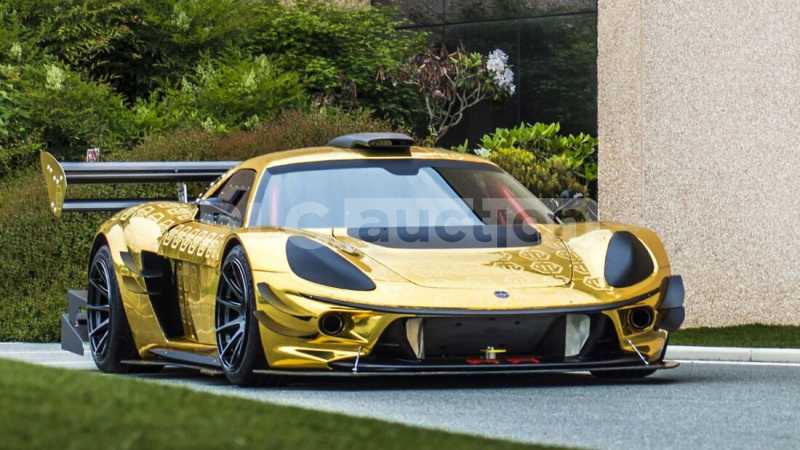 Italy is home to 14 active car brands — ranging from mass-market to ultra-exclusive: Alfa Romeo, Ferrari, Fiat, Iveco, Lamborghini, Lancia, Maserati, Abarth, Pagani, B. Engineering, Fornasari, Covini Engineering, Dr. Motor Company and Grecav. The leader of the Italian market by sales volume is Fiat; the country owes its global fame to the Ferrari, Lamborghini and Maserati supercars.
Italy holds a modest position in the global ranking by car production volume, yet it has a huge influence on the industry: the Italian automotive sector is considered the benchmark for design. Regardless of class and price segment, Italian cars stand out for their distinctive style and expressiveness, setting the bar for car designers worldwide.
All car brands of Italy
Most people know only 2–3 Italian car brands, but there are fourteen of them, and each deserves a story of its own:
- Alfa Romeo;
- Ferrari;
- Fiat;
- Iveco;
- Lamborghini;
- Lancia;
- Maserati;
- Abarth;
- B. Engineering;
- Pagani;
- Fornasari;
- Covini Engineering;
- Dr. Motor Company;
- Grecav.
| Brand | Founded | Headquarters | Segment | Owner (2024) | Prices from | Output per year |
|---|---|---|---|---|---|---|
| Fiat | 1899 | Turin | Mass-market | Stellantis | from €15,000 | 400,000+ |
| Alfa Romeo | 1910 | Turin | Premium | Stellantis | from €30,000 | ~80,000 |
| Lancia | 1906 | Turin | Premium | Stellantis | from €20,000 | — |
| Maserati | 1914 | Modena | Luxury / business class | Stellantis | from €80,000 | ~20,000 |
| Abarth | 1949 | Turin | Sports cars | Stellantis | from €25,000 | — |
| Iveco | 1975 | Turin | Commercial vehicles | Iveco Group (independent) | from €30,000 | 160,000+ |
| Ferrari | 1939 | Maranello | Supercars / hypercars | Ferrari N.V. (independent) | from €200,000 | ~13,000 |
| Lamborghini | 1963 | Sant'Agata Bolognese | Supercars | Volkswagen Group (Audi) | from €200,000 | ~10,000 |
| Pagani | 1992 | San Cesario sul Panaro | Hypercars | Independent (private) | from €2,000,000 | ~50 |
| B. Engineering | ~1999 | — | Supercars (one-offs) | Independent | — | One-offs |
| Fornasari | 1999 | Vicenza | SUVs / sports cars | Independent | — | Limited-series |
| Covini Engineering | 1978 | Cortemaggiore | Sports cars | Independent | — | One-offs |
| Dr. Motor Company | 2006 | — | Mass-market | Independent | from €15,000 | ~100/day |
| Grecav | 1962 | Gonzaga | Microcars / agricultural machinery | Independent | — | — |
Alfa Romeo
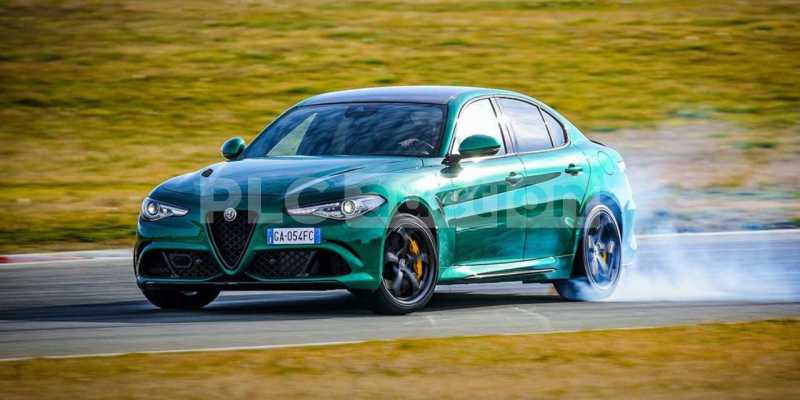
Alfa Romeo is one of the most famous names among the representatives of the Italian automotive industry. Ugo Stella and Alexandre Darracq (two engineers) founded the company in Milan in 1910 and named it Alfa, which stood for «Anonymous Lombard Automobile Factory». The company's plant began producing cars suited to Italy's challenging mountain roads. They were developed by the Italian car designer Giuseppe Merosi, who had previously worked at Fiat.
From the very beginning the company set its course on producing sports and racing cars, and just a year later the first prototype of a racing car for competing in the Sicily races was presented. Later the company was headed by the Italian engineer Nicola Romeo, whose name was immortalized in the brand name.
Today Alfa Romeo produces premium-class cars. The company's head office is located in Turin. The brand is part of the international Stellantis group.
Ferrari
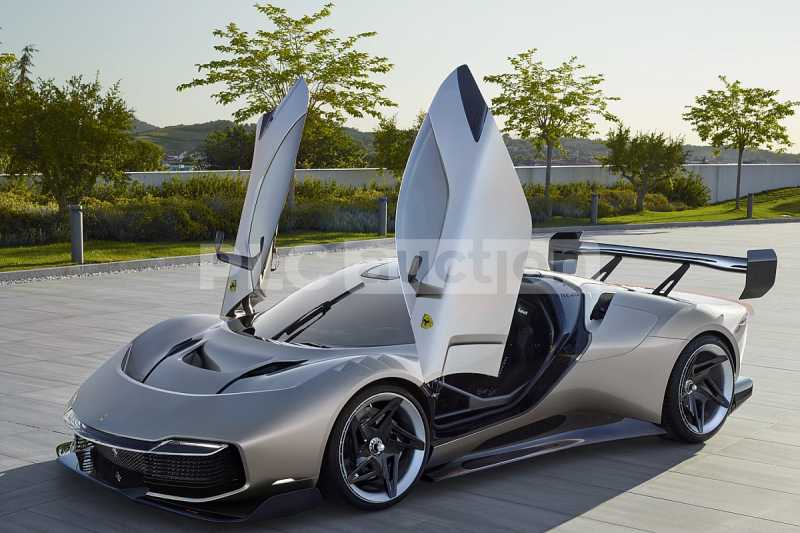
A legendary Italian brand whose cars achieved enormous success in Formula 1. The company was founded in 1939 in the city of Maranello (where its main office is still located today) by the famous Italian racing driver and car designer Enzo Ferrari, who had previously collaborated with Alfa Romeo together with his team. The company's main focus was sports racing cars, and from 1947 it began producing sports cars approved for use on public roads.
Great attention is paid to the design of the cars. The world's finest coachbuilding studios worked on the brand's cars, in particular Touring and Pininfarina. Ferrari's signature color is red. Ferrari is the only company in the world whose cars have competed in every Formula 1 race. Since 2016 Ferrari has been listed on the stock exchange as the fully independent company Ferrari N.V.
Ferrari LaFerrari — the flagship hypercar (2013)
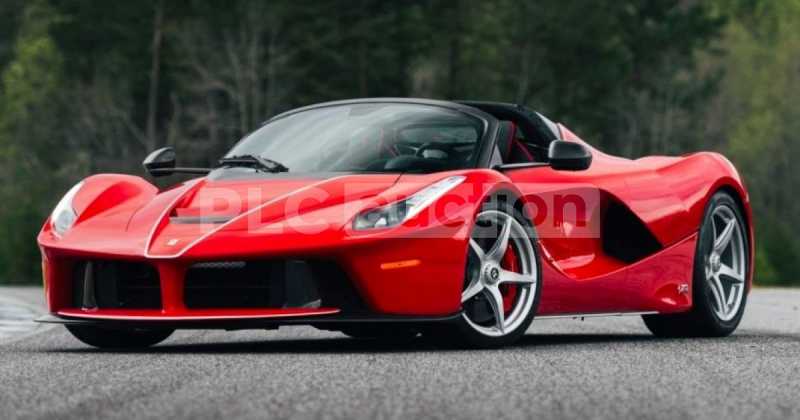
LaFerrari is not a standalone brand but Ferrari's flagship model. In 2013 the company released one of the most anticipated cars in the global automotive community — the hybrid hypercar LaFerrari. The car was produced in a limited run of just 499 units. The price was sky-high, yet all the cars were sold out even before production started. In 2016 a 500th unit was built for charity and sold at auction for 7 million dollars. Used cars of this model not only retain their value but appreciate, as they have high collector value.
Fiat
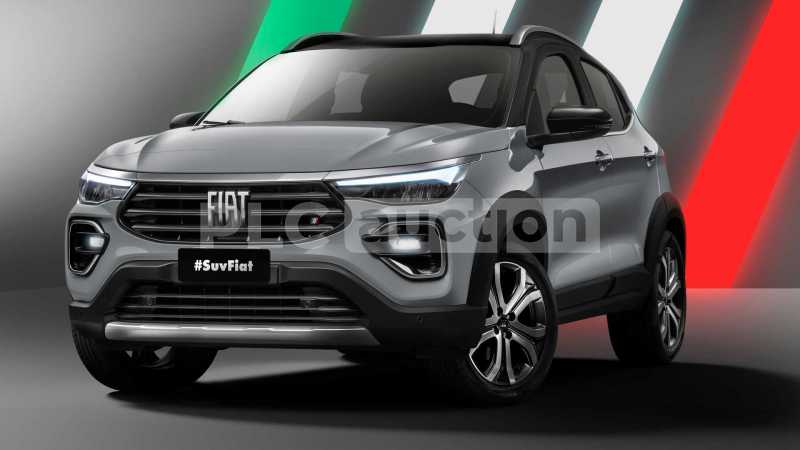
The Fiat car company was founded in 1899. It can be considered the founder of the Italian automotive industry — it is the oldest car brand in Italy. In 2007 Fiat Group was formed, which in 2021 merged with the French PSA Group to create the international Stellantis group — the fourth-largest carmaker in the world by production volume. Today Stellantis owns the Italian brands Maserati, Alfa Romeo, Lancia, Abarth, as well as the foreign brands Dodge, Chrysler, Jeep and a number of others. Ferrari was spun off as the independent public company Ferrari N.V. in 2016. Fiat's headquarters are located in Turin.
Fiat is well known for its budget-friendly, practical cars, and its vehicles are very popular in Europe. The most popular Fiat models are the Panda, Punto and Grande Punto, Uno and Bravo. The brand's new models are already more modern, in line with the latest technology and design trends — in particular the electric Fiat 500e — and were well received not only in Europe but also in the USA.
Iveco
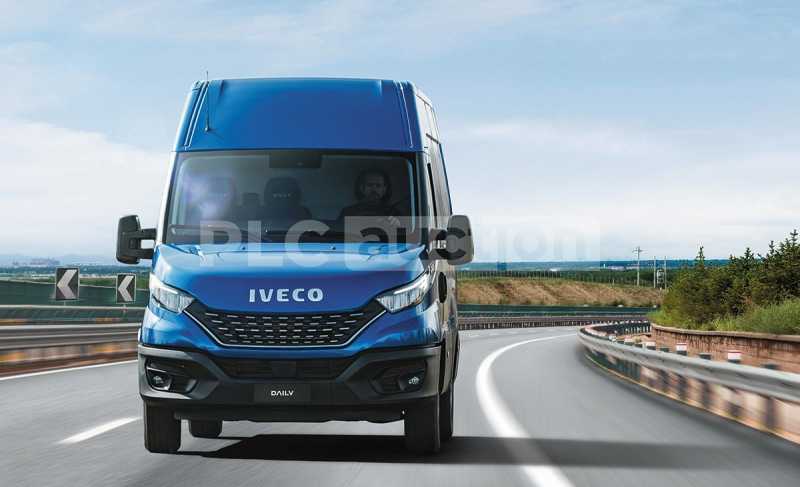
This is an Italian automotive company specializing in the production of industrial vehicles — buses, trucks, engines for diesel power generators, fire trucks, minibuses, tractors and dump trucks. Iveco was founded in 1975, with its headquarters in Turin, Italy. Among the brand's achievements is the Iveco Daily, which became the prototype for modern light commercial vans.
From its founding the brand was part of the Fiat industrial group. In 2022 Iveco was spun off into the independent public company — Iveco Group — with a separate stock-exchange listing. Throughout its activity the company has collaborated with various carmakers in different forms.
At present Iveco has 50 plants and 15 research and development centers around the world. More than 160,000 trucks and more than 430,000 engines are produced and sold each year.
Lamborghini
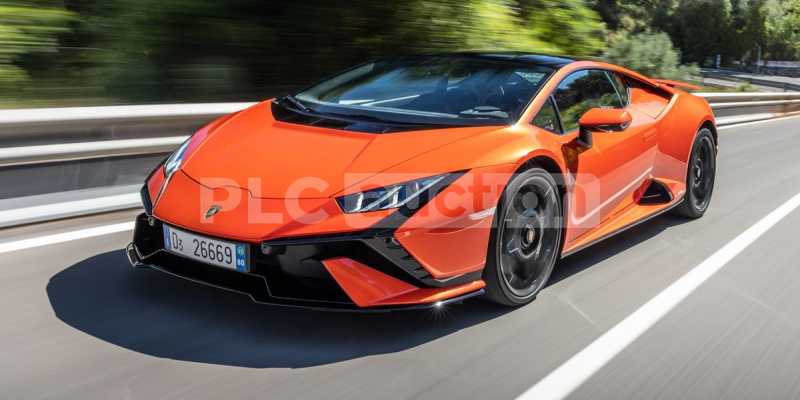
Lamborghini is named after its founder — Ferruccio Lamborghini. The company began its activity in 1963 and was created to compete with the already well-known Ferrari and Maserati. Despite being a relatively young brand, its cars are popular all over the world. Already at the dawn of its activity the company released the fastest production sports car of its time — the Lamborghini Miura.
In the 1970s Lamborghini found itself on the verge of bankruptcy, was first sold to the Indonesian investment group Megatech, and then, in 1998, became part of the Volkswagen Group as a subsidiary of Audi. The new owner preserved Lamborghini's prestige and reputation and contributed to the development of the brand's car technology and design. Today this brand produces roadsters, crossovers and sports coupes.
Lancia
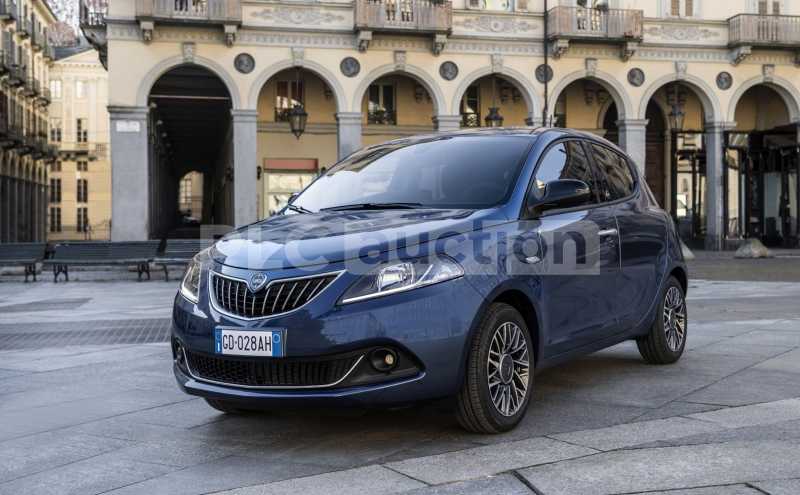
The first Lancia factory was founded by Claudio Fogolin and Vincenzo Lancia in 1906 in Turin, where the brand's headquarters are still located today. The company produced classic, elegant cars known mainly within the country. As early as the brand's second car it featured electric lighting, which was subsequently used in all Lancia cars.
The brand is one of the oldest in Italy. Over its long history it had successful collaboration with Fiat, and since 1969 Lancia has been part of the Fiat industrial group, and since 2021 part of the Stellantis group. Since the mid-1950s the brand's cars have competed in various sporting events (Formula 1, circuit racing, rallying). The brand has 32 car models to its name, including trucks and military vehicles. Currently the company produces passenger cars only.
Maserati
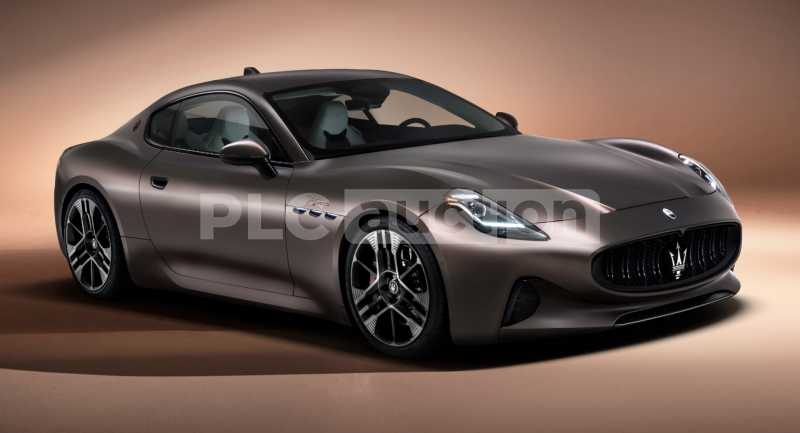
The brand was founded in 1914, with its headquarters in Modena, Italy. The company started out with a small workshop opened by Alfieri Maserati. After the founder's death it was sold to the Orsi family, which focused all production on building racing cars.
In 2014 Maserati celebrated the centenary of its founding. Today the brand is part of the Stellantis group (formed in 2021 through the merger of Fiat Chrysler Automobiles and the French PSA Group). Each of the brand's models is a true work of art that captivates at first sight, and upon closer acquaintance makes you its fan forever. Maserati produces prestigious executive and business-class cars, as well as exclusive hypercars.
Abarth
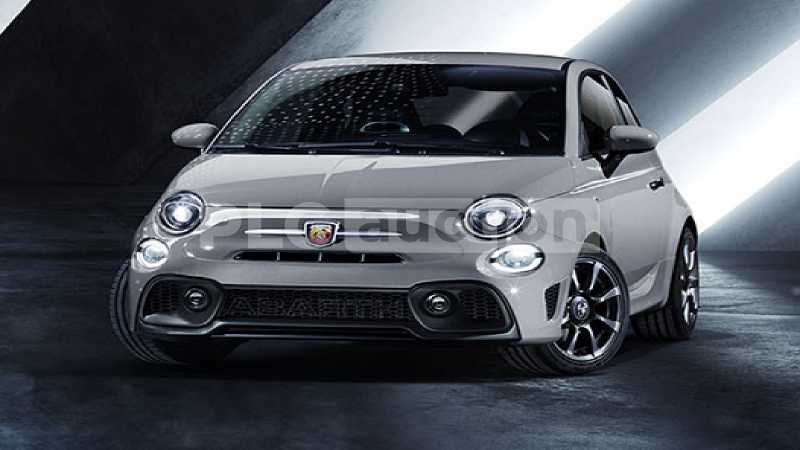
The Austrian engineer Carlo Abarth took part in creating sports cars together with Ferry Porsche, and in 1949 founded his own car company, which came to bear his name. The brand's headquarters are located in Turin.
The company's main specialization is the production of sports and city cars. Abarth is wholly owned by the Stellantis group, and all the cars it produces carry the Fiat logo. The last sports car of its own design under its own brand was released by the company in 2012.
B. Engineering
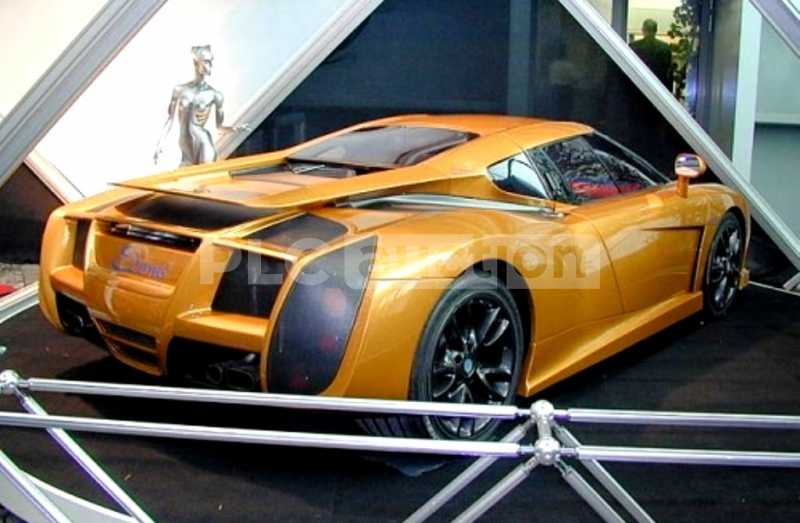
B. Engineering is a small-series carmaker in Italy backed by several engineers who previously worked at Bugatti. The company presented its first model in 2001 — the Edonis supercar based on the Bugatti EB110 Super Sport.
In addition to producing sports cars, B. Engineering specializes in servicing its own vehicles and the Bugatti EB110, EB112, with which it has much in common, as well as in servicing and selling spare parts for Padane buses.
Pagani
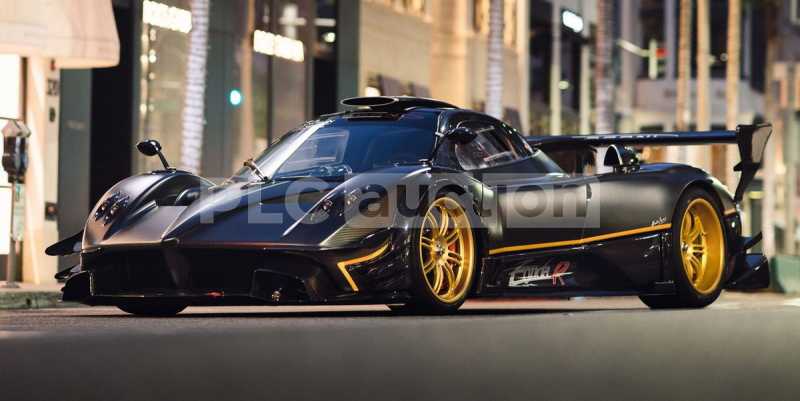
Pagani is a company founded in 1992. Its founder is Horacio Pagani, formerly the chief engineer of Lamborghini. Initially the brand specialized in the design and restyling of cars from major carmakers. At present the company, headquartered in San Cesario sul Panaro, is known as a producer of high-quality sports cars and carbon-fiber components for the automotive industry.
The first model of its own — the Pagani Zonda — was presented on the European market in 1999. It went through numerous restylings and had many modifications, including an exclusive one whose price exceeded 15 million euros. Each year Pagani produces around 50 cars, each of which is assembled by hand.
Fornasari

The brand's founder is Giuseppe Fornasari. The company was founded in 1999, with its head office in Vicenza, Italy. The brand's main focus is the production of SUVs, sports cars and buggies. Fornasari models have an original design that combines a retro style with futuristic body decor.
The company released only a few models but developed unique concepts that could be in demand and succeed in the future. One of the brand's most interesting models is the powerful Fornasari RR99 SUV (610 hp engine, top speed of 280 km/h).
Covini Engineering
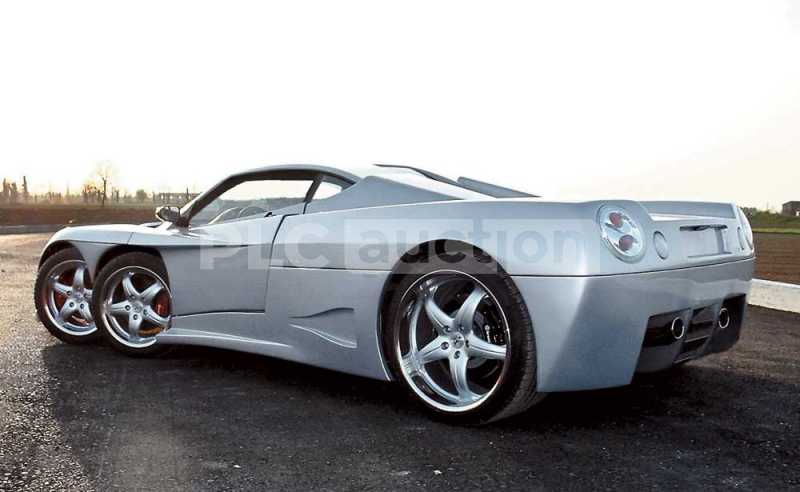
Covini Engineering is a carmaker founded in 1978 and still operating today, with its headquarters in Cortemaggiore, Italy. The brand's creator is the engineer Ferruccio Covini. The main focus of production is sports cars.
Quite a few interesting models have come off Covini Engineering's assembly line. Among them is the world's first production sports car (the Sirio Turbo Cooler coupe) with a diesel engine, capable of accelerating to 200 km/h. The gem of the model range was the Covini C6W, fitted with three pairs of wheels.
Dr. Motor Company
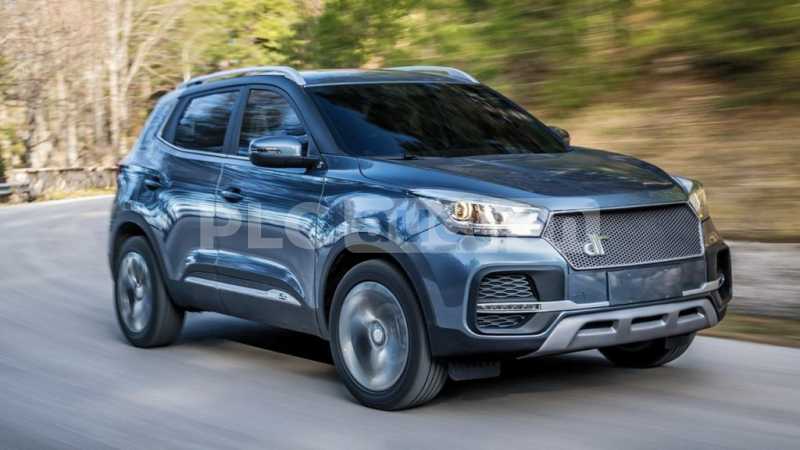
The young brand Dr Motor Company was founded by the Italian racing driver Massimo Di Risio in 2006. The brand's main idea is to create affordable cars with signature Italian design built from components of other (mainly Chinese) carmakers.
In 2007 the brand presented its first crossover, the DR5, with a Chery engine. In addition to developing its own cars, Dr Motor Company's plants produced the entire Chery model lineup, which allowed the firm to become one of the largest independent carmakers in Italy. The company now has more than 70 dealers across Italy, and its production volume reaches 100 cars per day.
Grecav
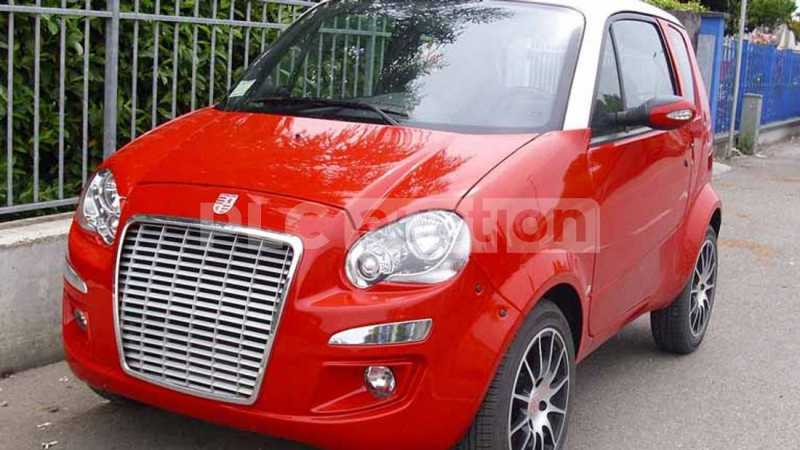
The emergence of the Grecav car company in 1962 became possible thanks to the merger of two small car companies — Cavaletti and Fratelli. The company's head office is located in Gonzaga (Lombardy region, Italy).
The company's first projects were modified three-wheeled motorcycles, which became widespread in the 1970s in Cambodia, Thailand and Venezuela and were called motor rickshaws. In the 1990s the brand's main attention was focused on the production of microcars. The company achieved real success in producing high-quality agricultural machinery: Grecav harvesters are in high demand, and the manufacturer offers the option of custom configuration to suit the buyer's needs.
Italian carmakers that no longer produce cars
These Italian car brands ceased car production and remained forever in the history of the Italian automotive industry:
- AUTOBIANCHI.
- ISOTTA FRASCHINI.
- DE TOMASO.
- BIANCHI (AutoBianchi).
- GRUPPO BERTONE.
- BREMACH.
AUTOBIANCHI
The brand was created by the Fiat Group and existed for 40 years: from 1955 to 1995. The company's head office was located in Milan. It produced mainly small-engine cars, which were even more popular than Fiat's vehicles. Innovative developments were tested on the brand's models. At first the company was successful, but over time it could not withstand competition from more modern brands. It ended its activity and ceased to exist as a result of a merger with Lancia.
ISOTTA FRASCHINI
This car concern stood at the origins of the Italian automotive industry. Founded in Milan in 1900, it ceased operations as a result of the global crisis after World War II in 1949. The company's founders were Cesare Isotta and the Fraschini brothers (Antonio, Oreste and Vincenzo). Until the early 1940s the company was among the most popular Italian car brands. At the ISOTTA FRASCHINI plant luxurious cars were created that are still of great value to true collectors today. In addition to prestigious cars, the company produced car parts, as well as aircraft and marine engines.
DE TOMASO
This carmaker ceased operations in 2004. DE TOMASO was founded by Alejandro de Tomaso in 1959 in Modena, Italy. Initially production was oriented toward building prototypes of city and racing cars. Later, from 1970, it began producing its own cars. In the brand's history there was a period when it owned Maserati.
BIANCHI (AutoBianchi)
BIANCHI is the world's first bicycle company, founded in Milan in 1885. Its founder is Edoardo Bianchi. In addition to bicycles, the company produced motorcycles too. In 1955 the brand merged with the Fiat Group, which gave rise to the new car company AUTOBIANCHI, which existed until 1995.
GRUPPO BERTONE
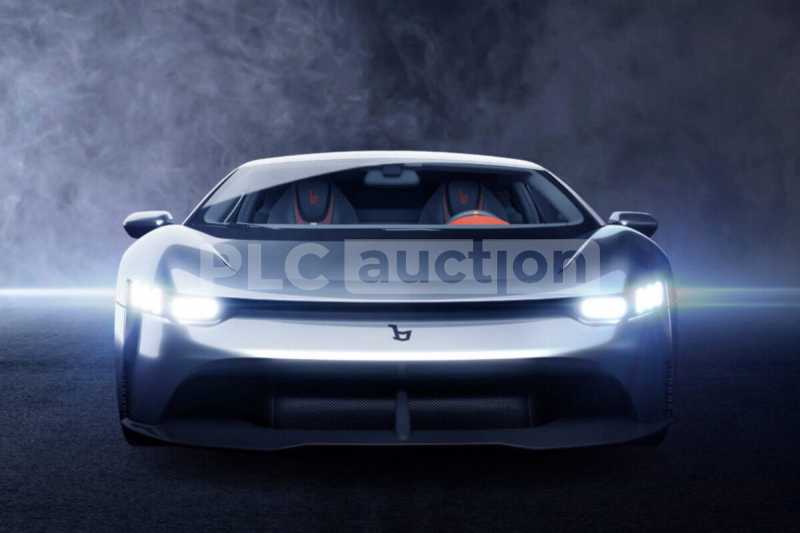
The experienced and renowned Italian brand Gruppo Bertone began its history in 1912. Its founder is Giovanni Bertone. The company's head office was located in Turin. The brand's main line of work was styling and coachbuilding. Gruppo Bertone created unique designs for cars from such well-known brands as Lamborghini, Alfa Romeo, Maserati. In its own car lineup the most popular was the Bertone Nuccio. In 2014 the company ceased operations due to bankruptcy.
BREMACH
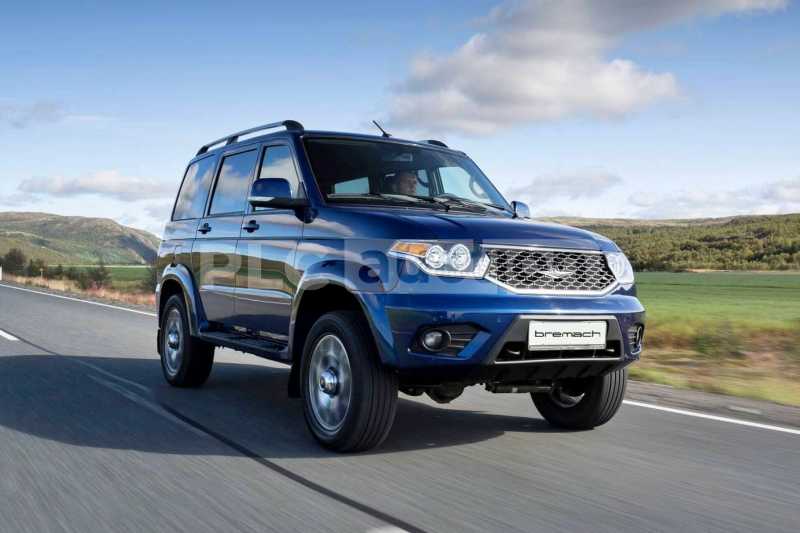
Bremach Industry is an Italian manufacturer of special-purpose vehicles: special vehicles for fire and rescue services, as well as off-road vehicles. In its heyday it was a carmaker of global scale, having expanded its business to more than 30 countries on three continents. In 2018 Bremach was declared bankrupt and ceased production.
The most popular Italian cars
The most popular Italian cars on the global market:
- Fiat 500.
- Fiat Panda.
- Lancia Voyager.
- Alfa Romeo Giulietta.
- Alfa Romeo Giulia.
- Lamborghini Urus.
- Lamborghini Aventador.
- Ferrari Portofino.
- Maserati Quattroporte.
- Maserati Ghibli.
Fiat 500
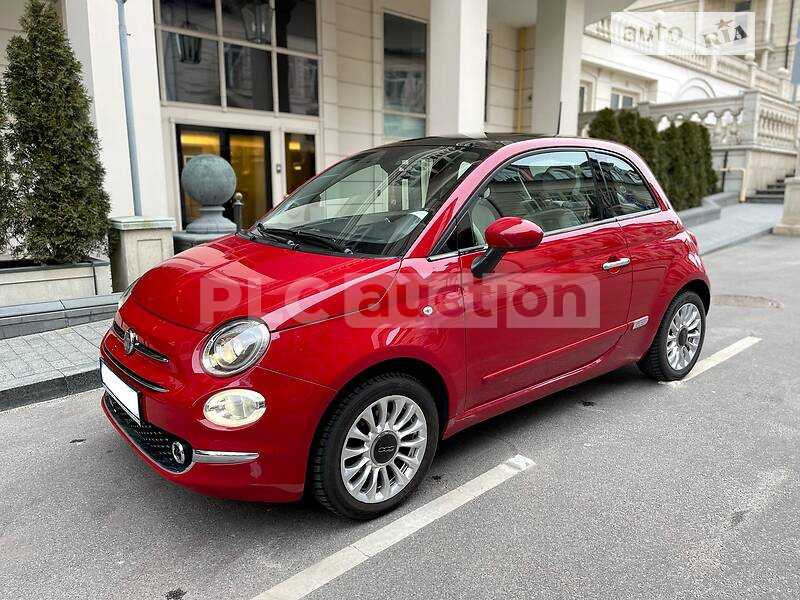
A compact three-door hatchback in retro style — the Fiat 500 stands out for its bright, upbeat interior and excellent equipment options: a 1.4 L petrol unit with 101 hp and the fully electric Fiat 500e with 113 hp and a range of up to 320 km (WLTP). The model's advantages:
- excellent pulling power;
- dynamics and maneuverability;
- practicality;
- economy both in fuel consumption and in running costs;
- non-trivial interior design, comfort, quality materials.
Fiat Panda
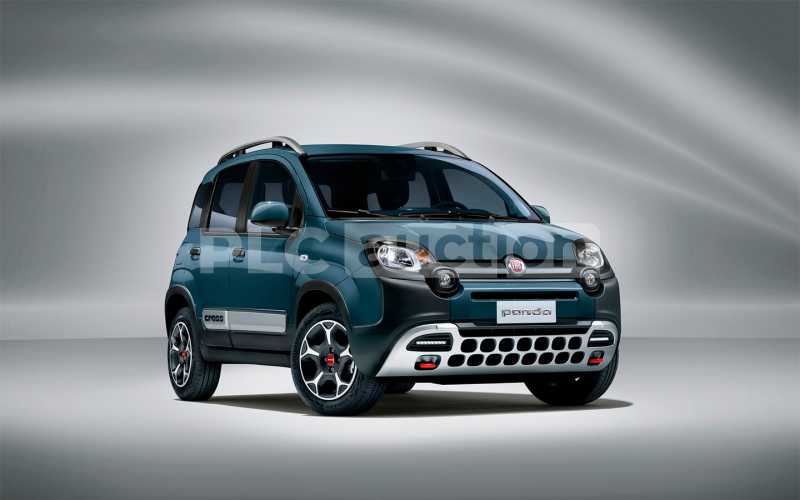
The Panda is a subcompact 5-door hatchback with front-wheel and all-wheel drive. Despite its playful look, the Panda remains one of Italians' most beloved city cars: very quick, practical and economical to run. The base version comes with driver and passenger airbags, Isofix mounts for child seats, ABS, multimedia with a 7-inch touchscreen and climate control. The Panda's engines are 1.2 and 1.4 L, with outputs of 65 and 85 hp.
Lancia Voyager
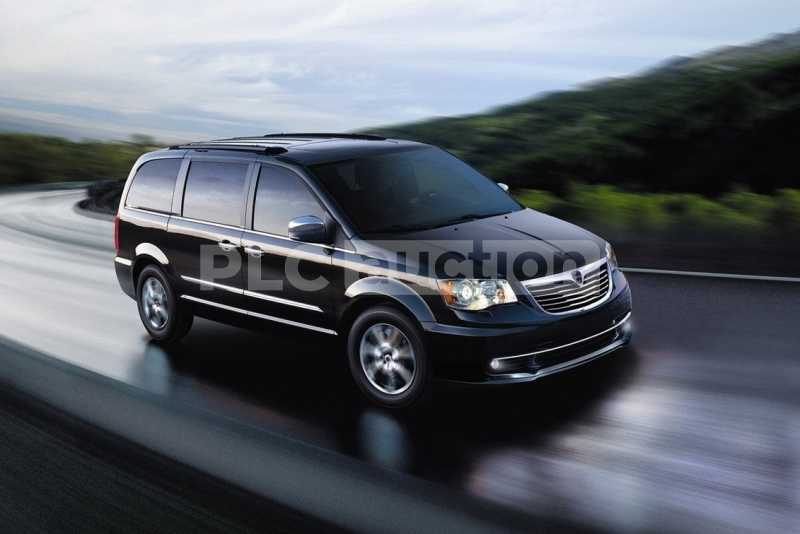
The Lancia Voyager is an M-class minivan (multi-purpose vehicles / minivans) developed jointly with Chrysler. In essence, it is the Italian version of the American Chrysler Grand Voyager.
This comfortable car with a 178 hp diesel engine confidently accelerates to 193 km/h and consumes just 8 liters per 100 km in combined mode. The car has a solid appearance and good technical equipment, three-zone climate control and a convertible cabin, which is very convenient for travel trips and a large family.
View Lancia Voyager from Italy
Alfa Romeo Giulietta
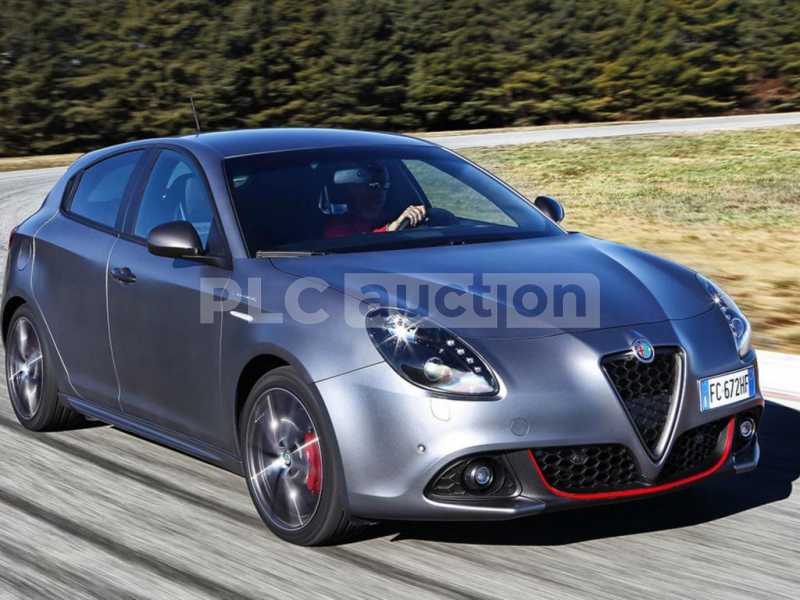
A legendary car that has been produced since 1954. Taking restylings into account, it has gone through 5 modifications, each of which gave it a completely new, unique look. The modern Giulietta looks stylish and even futuristic. Depending on the market, the hatchback is fitted with 1.4 L turbocharged petrol engines (120, 150 and 170 hp), 1.6 and 2.0 L diesels with 120 and 150 hp, as well as a sports version with a 1.75 L turbo engine of 240 hp. A variety of engines, an advanced chassis and stylish design are the model's main advantages.
Alfa Romeo Giulia
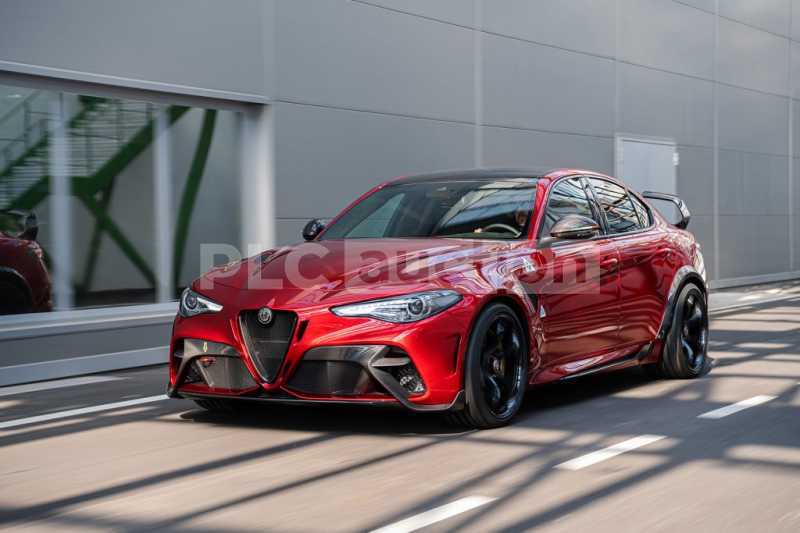
The Italian D-class sedan Alfa Romeo Giulia (mid-size class, a rival to the BMW 3 Series and Mercedes C-Class) has been produced since 2016. The car is equipped with powerful powertrains — from 130 to 510 hp. Its exterior clearly shows the features of Italian style. The car turned out very interesting from a technical standpoint in terms of its components and software equipment.
View Alfa Romeo Giulia from Italy
Lamborghini Urus
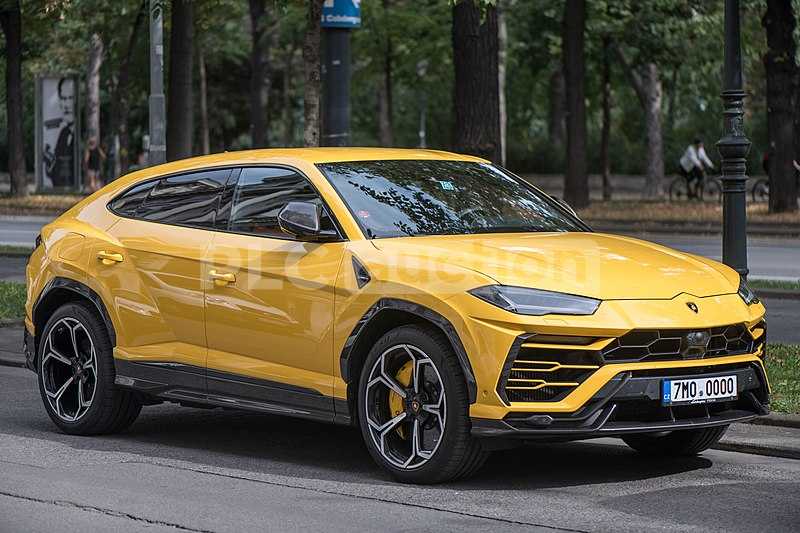
This premium full-size SUV is considered the fastest among its class peers. The brand's signature features are visible throughout its appearance. The crossover combines dynamics, practicality, functionality, luxury and comfort. It has excellent dynamic characteristics and great but well-controlled power. Under the hood of the Lamborghini Urus is a four-liter V8 with 650 hp, accelerating the car to 100 km/h in 3.6 seconds.
View Lamborghini Urus from Italy
Lamborghini Aventador
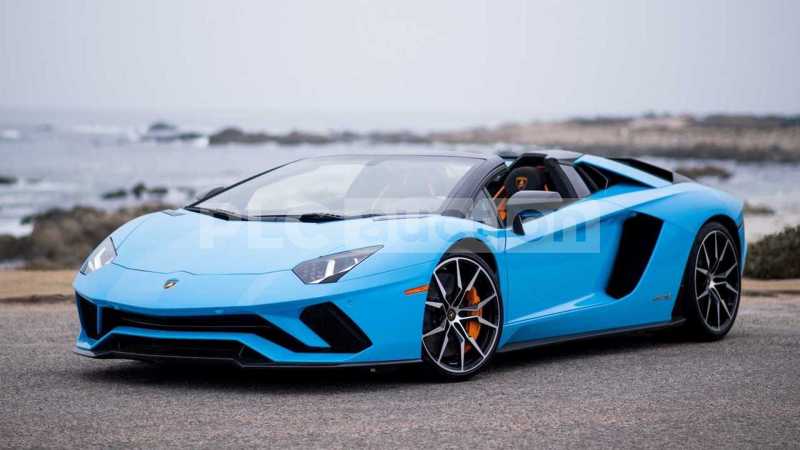
Among production cars, the Lamborghini Aventador is the most powerful and fastest (770 hp, 350 km/h). In addition to technical perfection, it stands out for its excellent handling and is built using innovative materials and the most advanced technical and electronic solutions.
View Lamborghini Aventador from Italy
Ferrari Portofino
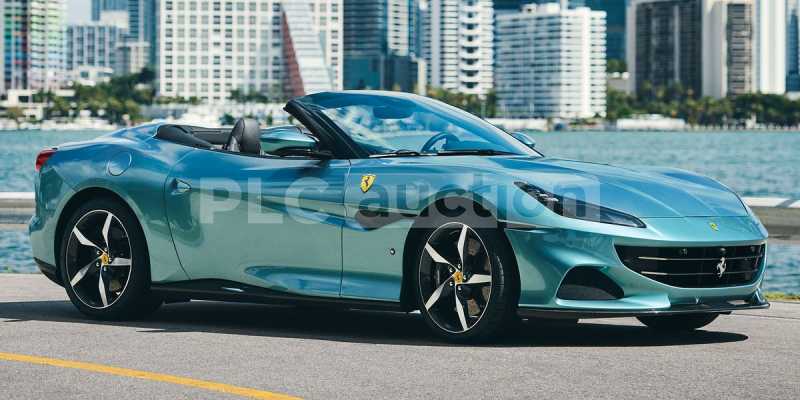
The Ferrari Portofino convertible coupe is a striking example of the Italian temperament embodied in a stylish, fast and luxurious car. The V8 engine delivers 600 hp while consuming just 10.5 liters of petrol per 100 km. The car is high-performing, reliable, comfortable and stylish, and feels great both in the city and on the highway.
View Ferrari Portofino from Italy
Maserati Quattroporte
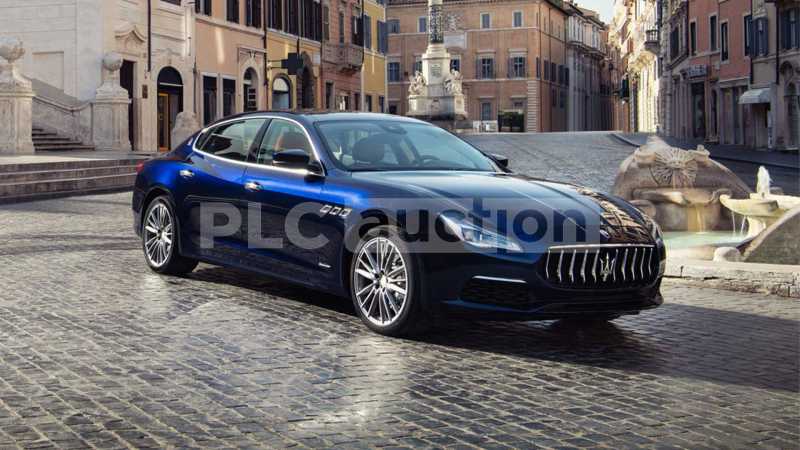
This luxury sedan has been produced by Maserati since 1963. The Quattroporte stands out for its individuality and elegance. In the latest, sixth generation it became more spacious and comfortable, including for rear passengers. The base version is equipped with a 6-cylinder engine of 410 hp, with which the car accelerates to 100 km/h in 5.1 seconds. The model's advantages are practicality combined with luxury, comfortable driving, good dynamics, a modern audio system and excellent sound insulation.
View Maserati Quattroporte from Italy
Maserati Ghibli
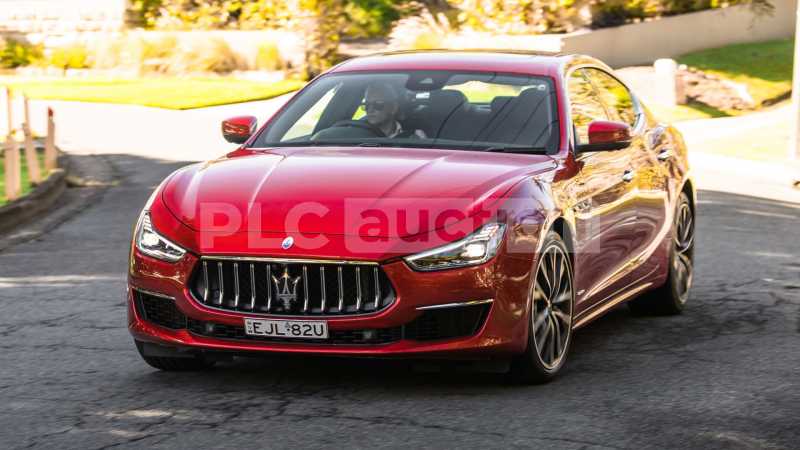
Maserati is one of the most prestigious car brands in the world. Until the Maserati Ghibli appeared, few could afford a car of this make. Powerful (330 hp), fast (263 km/h), dynamic (0 to 100 km/h in 5.6 seconds) and at the same time the most affordable 4–5-seat sedan in the brand's lineup.
FAQFrequently asked questions
Which car brands are produced in Italy?
There are 14 active car brands operating in Italy: Alfa Romeo, Ferrari, Fiat, Iveco, Lamborghini, Lancia, Maserati, Abarth, Pagani, B. Engineering, Fornasari, Covini Engineering, Dr. Motor Company and Grecav. Fiat is the largest by output volume; Ferrari, Lamborghini and Maserati are the world's most famous producers of supercars and premium-class cars.
Which Italian car brand is the oldest?
The oldest active Italian car brand is Fiat, founded in Turin in 1899. Lancia was founded in 1906, Alfa Romeo in 1910. Among the brands that have ceased operations, the oldest is Isotta Fraschini (1900–1949).
Which Italian car brands are part of the Stellantis group?
The international Stellantis group (until 2021 — Fiat Chrysler Automobiles, FCA) includes the Italian brands Fiat, Alfa Romeo, Lancia, Maserati, Abarth and Iveco. Ferrari has been listed on the stock exchange as an independent company since 2016. Lamborghini has been owned by the German Volkswagen Group since 1998.
Which Italian cars are the most popular in Europe?
The best-selling Italian cars in Europe are the Fiat 500 and Fiat Panda: compact city hatchbacks with an affordable price and low fuel consumption. Among premium models, the Alfa Romeo Giulia (D-class sedan) and the Maserati Ghibli — the most affordable 4–5-seat sedan in the Maserati lineup (from 330 hp, up to 263 km/h) — are popular.
Which Italian brands produce supercars and hypercars?
Italian supercar producers: Ferrari (founded in 1939, Maranello), Lamborghini (1963, Sant’Agata Bolognese), Maserati (1914, Modena) and Pagani (1992, San Cesario sul Panaro). Ferrari is the only team to have competed in every season of Formula 1 since 1950. Pagani produces the Zonda and Huayra hypercars in runs of up to a few dozen units per year.
Which Italian car makes have ceased to exist?
Italian brands that have stopped producing cars: Autobianchi (1955–1995, absorbed by Lancia), Isotta Fraschini (1900–1949, closed after World War II), De Tomaso (1959–2004, Modena). The coachbuilding studio Gruppo Bertone ceased operations in 2014, and the special-purpose vehicle manufacturer Bremach went bankrupt in 2018.
In which Italian cities are cars produced?
Most Italian car concerns are concentrated in the north of the country. Turin is the headquarters of Fiat, Alfa Romeo, Lancia, Abarth and Iveco. Ferrari is based in Maranello, Lamborghini in Sant’Agata Bolognese, Maserati in Modena, and Pagani in San Cesario sul Panaro (all three in the Emilia-Romagna region).


 Germany
 Italy
Italy
 France
 Poland
 USA
USA
 South Korea
 Belgium
 Netherlands
 Spain
Spain